
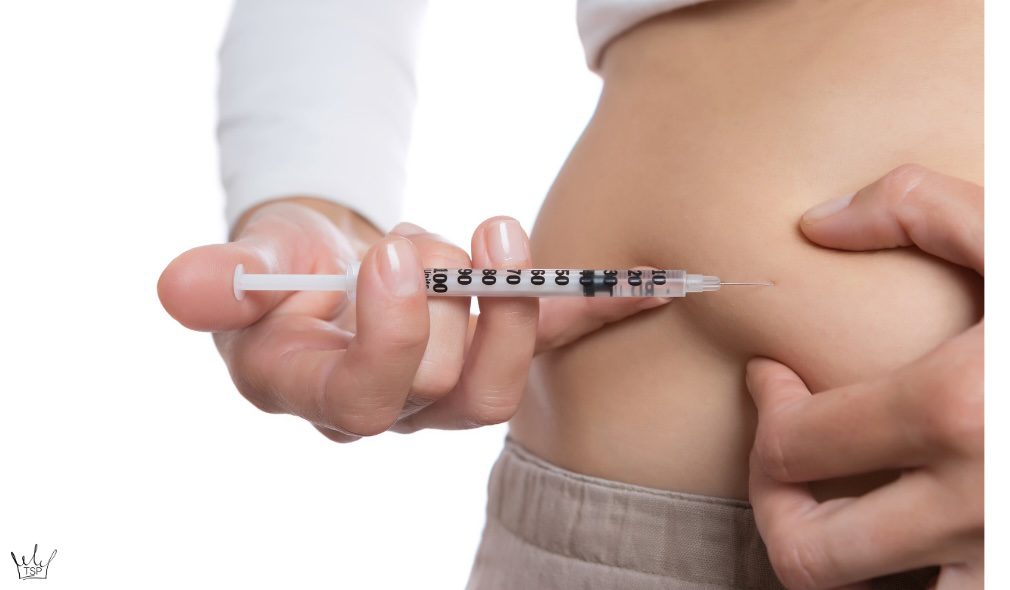
Yes, your body is changing – so much so that it might feel like you’re housing an alien. No, it’s not your fault and you should not be made to feel ashamed of the changes. Yes, there are tools that can help you feel and look healthy and happy, including GLP-1 medications. This post will explain why and how.
Lady Estrogen Has Left The Building
You can think of estrogen as the head teacher in the classroom at a pre-school. When she’s in the room, all of the toddlers know to behave – there is order and efficiency. When she steps out of the room, the toddlers start doing whatever they want and chaos ensues. That’s similar to what’s happening in your body during the menopause transition. Estrogen plays a critical role in your body composition (fat vs. muscle), where fat is stored (belly vs. hips and thighs), how efficiently you burn calories, the signals that tell you if you should feel hungry vs. full, and the amount of inflammation in your body. Once estrogen leaves the “classroom” the systems within our bodies go a bit haywire.
Menopausal Weight Gain and The Appearance Of Belly Fat
Approximately 70% of women gain up to 1.5 pounds per year while going through the menopause transition even when they are maintaining their normal fitness and nutrition routines. Since the transition lasts about 10 years, that can add up to ~15 pounds of menopausal weight gain in your mid-40’s to mid-50’s. Declining estrogen slows our metabolism, causing our bodies to burn fewer calories when at rest, in turn increasing fat storage and the number on the scale. This is why many women complain that the workouts and eating habits that were successful in their 30’s suddenly stopped being effective in their 40’s and 50’s. It’s really because the way their body function is changing on the inside.
Even if you don’t notice a change in the number on the scale, you’ll notice that your pants won’t zip as easily and your bra feels tighter because menopause changes where you store fat on your body. As estrogen declines, your body shifts from storing fat in your hips and thighs to storing it around your organs. Since most of your organs are in your abdomen, you start to see an increase in belly fat. This type of fat is called “visceral” and increases your risk of type 2 diabetes, fatty liver, cardiovascular disease and systemic inflammation.
For some women, increased hunger exacerbates the problem. The loss of estrogen increases the “hungry” signals and spurs us to eat more than we did pre-menopause. The combined effects of slower metabolism, higher caloric intake, and shifting of fat storage from hips and thighs to your organs and abdomen leads to the appearance of stubborn belly fat.
During the menopausal transition, belly fat increases to 15%-20% of your total body fat, versus 5%-8% of total body fat before menopause.
How GLP-1s Can Help You Lose Weight And Get Rid Of Belly Fat
GLP-1 is an abbreviation for “glucagon-like peptide-1.” It’s a hormone released in your gut after you eat. This hormone tells your brain that you’re full and it slows down the speed at which food leaves your stomach. GLP-1s help you feel fuller longer, eat less and it helps your body use blood sugar more steadily. While you may have just recently heard of GLP-1s, they aren’t new at all. We have 20 years of research that proves GLP-1s are safe and highly effective weight loss treatments. Helping you lower the number on the scale isn’t the only benefit. GLP-1s also help reduce inflammation, improve insulin resistance, lower blood pressure, improve cholesterol and reduce the visceral fat we mentioned above (abdominal fat that wraps around your organs during menopause). That’s a pretty impressive list of benefits!
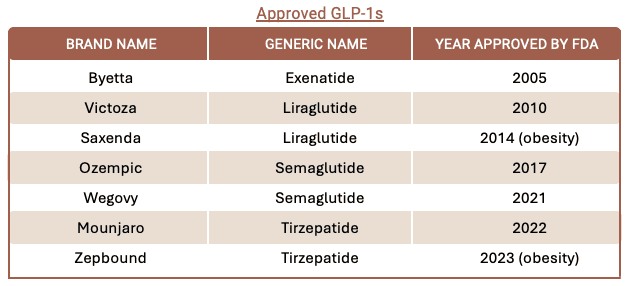
Here is a quick reference table of FDA-approved GLP-1s as of the publication date of this post, data courtesy of Dr. Mary Claire Haver’s The Pause Life blog:
The Takeaway
GLP-1 medications offer a science-backed, effective approach to restoring your health, managing your menopausal weight gain and reclaiming your self-confidence. If you’re struggling with weight gain and stubborn belly fat during menopause, please know that it’s not your fault and often times working out more or sheer willpower alone will not be be enough to solve it entirely. We talk a lot here at TSP about the importance of having a menopause toolkit. GLP-1s can be an effective tool in your toolkit, in combination with lifestyle changes like strength-training, moderate cardio exercise, a high-protein nutrition plan, and hormone replacement therapy. Each woman’s health profile is unique, we encourage you to talk to your menopause care team to discuss whether GLP-1s are right for you.
Our goal at TSP is to arm you with evidence-backed information so that you feel empowered to take charge of your menopause health and confidently advocate for yourself. We hope this post about GLP-1s and menopause weight gain has been helpful.


