

We spend 1/3 of our lives in Menopause. There ARE treatment options available, and the earlier we start with treatment, the better. It’s time to shed that scarlet letter M and take your life back, ladies!
Why is it that most women are comfortable talking about pregnancy (let me tell you everything I know so you’ll know what to expect), childbirth (let me tell you the gory details of blood and guts because it’s my badge of courage!), and breastfeeding (let’s all tell you how you’re doing it wrong because you don’t agree with our point of view)…..but almost no one is comfortable talking about menopause? Why is it a taboo topic? I have a few theories:
- Because it’s related to aging and aging is related to dying and those are scary topics so we avoid any hint of them
- Because it makes us feel like we’re losing control, and as women who carry the weight of the world on our shoulders, we do NOT like feeling chaotic
- Because when we finally work up the nerve to talk to our doctor’s about it, they most likely tell us it’s nothing because they fail to connect the symptoms to the possibility of menopause
- Because the decades-old study that told doctors that hormone-replacement therapy was dangerous was actually a flawed study on multiple levels and distorted for publicity, causing physicians and patients to believe that there are no treatment options.
BTW, that study resulted in a rapid decline in prescribing HRT around the globe, and doctors stopped seeking out knowledge about menopause and its potential treatments. Menopause education was removed from medical schools, and research funding dried up. Let me say that again….menopause education was removed from medical schools! Where’s my angry face, exploding head emoji when I need it? Fast forward to today, we’re left with this horrendous statistic:
73% of women aren’t getting treatment for their menopause symptoms.
When I decided to launch a lifestyle company for midlife women, I knew that menopause was going to be an important, complex and sensitive topic. I also knew it wasn’t a topic I could tackle alone and do it justice. If we all feel desperate for information about menopause, then I want any content I provide to be as informed as possible. Luckily, my friend and fellow boy-mom / sports-mom Melinda Rhoads is a Nurse Practitioner and a Certified Nurse Midwife as well as the owner of Rho Wellness. As soon as I told Melinda about my vision for TSP, she said “I’m in! This is so exciting, I could talk about women’s health and wellness all day long!”
DISCLAIMER: While Melinda has generously shared her expertise with me during interviews and I try to relay that in a digestible manner, nothing that is shared here can replace your conversation with your trusted healthcare provider who knows your unique health profile. What we hope to do here is arm you with enough information to feel confident about having a conversation with your doctor about your treatment options, or to realize that you need to find a health professional who has the knowledge to treat you.
This topic will not be” one and done.” There’s so much ground to cover, it will be a regular topic for TSP. Hopefully we can break it down into less overwhelming chunks so you can digest.
What The Heck Is A Hormone And How Can Fluctuations In Hormones Wreak So Much Havoc Within Our Bodies?
Let’s take a moment to understand at a high level the role that hormones play in how your whole body functions, which will make it easier for you to understand how the list of symptoms can be so long and diverse, and why receiving treatment can make such a huge difference in your health. Our bodies are composed of cells. Cells have “receptors” that allow them to receive instructions and to follow them. Instructions can be any number of things essential to organs, skin, muscle, tissue, etc. Some examples of instructions might be: regulate body temperature, rebuild tissue, metabolize food to fuel, regulate blood pressure, etc. Those instructions have to come from somewhere, the receptors can’t just decide on their own how to function. Guess where the instructions come from? Yep, you guessed it – your hormones!
Hormones are the chemical messengers that tell your cells what to do. They provide the instructions that the cell receptors then have to follow. This makes hormones essential for life and health. As your body transitions into menopause, the “factories” that create hormones undergo change, in particular your ovaries, hypothalamus and pituitary glands, reducing the amount of hormones. When hormones decline, it means that all those cells are sitting around waiting to be told what to do. Much like your teenager who can’t remember to do chores without a very prescriptive To Do list, when your hormones stop generating To Do lists for cell receptors, the critical tasks (a.k.a. “chores”) required for your body to function properly simply don’t get done.
As hormone levels decline and your body’s To Do list starts to collect dust, a myriad of menopausal symptoms begin to appear that span multiple systems in your body. When symptoms span multiple systems, it makes it harder for physicians to narrow down the root cause, especially if they aren’t trained to diagnose and treat menopause.
Common Menopause-Related Symptoms
- Hot flashes
- Night sweats
- Swelling of hands and feet
- Heart palpitations
- Chest pain with physical exertion
- Headaches
- Joint pain, knee and shoulder injuries
- Severe mood changes – anxiety and depression
- Increased cholesterol
- Bladder / urinary tract infections
- Decreased libido
- Insomnia / difficulty sleeping
- Hair thinning / loss
- Skin changes
- Gut health changes – constipation, bloating
- Urinary symptoms
- Vaginal dryness
- Weight gain, especially around mid-section
- Brain fog / memory loss, slower “processing” speed
- Fatigue
Treatment Options
Knowledge is power, especially when you’re sitting in a doctor’s office. If they aren’t trained on menopause or if their training is outdated, then it will be critical that you serve as your own advocate when speaking with your healthcare provider. Melinda recommends two books that will make a world of difference in your own understanding of menopause and are an excellent way to arm yourself prior to your doctor visit:
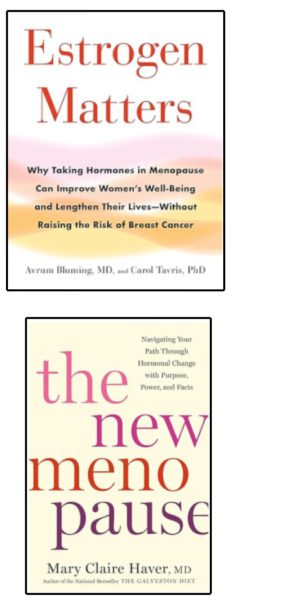
- Estrogen Matters by Avrum Blooming and Carol Tavris
- The New Menopause by Dr. Mary Claire Haver, MD
Study up, and prepare a concise list of all of your symptoms, frequency and triggers. Heading into your appointment with familiarity about the various treatment options and a plan for your conversation will enable you to steer the conversation in a more productive direction.
8 Treatment Options For Menopausal Symptoms
I must stress again that I am not a medical professional and I’m not giving medical advice here. I’m simply sharing resources and information that I’ve discovered during my own personal health and wellness journey. Treatment of any kind, whether Rx or over the counter supplements should always be discussed with your healthcare provider who can advise you on the best approach and take into consideration your unique medical situation.
1. Hormone Replacement Therapy (“HRT”), Hormone Therapy (“HT”) or Menopausal Hormone Therapy (“MHT”): You may hear one or all of these in reference to hormone therapy. There seems to be a debate about the differences in definitions, but most of that debate seems to be around where you fall in the peri / menopausal cycle as to which one is most accurate.
You say tomato, I say tomahto, we all say “I don’t care what you call it, just make these awful symptoms go away so I can feel like myself again.”

- The three hormones most impacted during menopause that are commonly included in hormone therapy are:
- Estrogen: brain function / focus, collagen, circulation and blood flow, cholesterol, mood changes, hot flashes, night sweats, cholesterol, blood sugar, bone and muscle mass,
- Progesterone: can help with hot flashes, thyroid function, headaches, night sweats, mood swings, vaginal dryness, sleep
- Androgens: can help with muscle tone and mass , sexual function, fatigue, bone health
- There are two “categories” of treatment. Both are made in a lab, but there are some differences: Synthetic are made from chemical compounds and don’t have the same structure as the natural hormones in your body. Bioidentical are made from natural ingredients and are structured identical to those in your body. Within bioidentical, there is “FDA approved” which is made by pharmaceutical companies under FDA guidelines; and “compounded bioidentical” which is more like a customized version prepared at a compounding pharmacy.
- There are many different delivery systems: Orally, patch, gel, ring, spray, injection, cream, pellets lozenge. There are medical considerations for each, for example: a pill has to go through your digestive tract and be processed by your liver which could be less than ideal in some situations; a pellet makes it harder to control the dosage if you’re having side effects, etc. It’s far too complex of a topic for me to tackle comfortably. I found Dr. Claire’s explanation in her book The New Menopause (linked above) to be very easy to understand yet also thorough. I highly recommend you give that a read before meeting with your physician so you can ask questions, especially since it’s possible your physician may not be up to speed on all of the treatment options.
….I work with women [every day] who – either through their doctors’ discouragement or due to their own fears and misinformation – have not taken estrogen and experienced its benefits. I see major depression and generalized anxiety disorder, ruined sexual and emotional connection with spouses, disintegrating marriages, and fractured families as a result.
Estrogen Matters by Avrum Blooming and Carol Tavris
2. Hypo / Hyperthyroid Treatment: This isn’t a menopause problem per se, but thyroid dysfunction shares a lot of the same symptoms as menopause, which could lead to a missed diagnosis of an over or under-performing thyroid gland. If you have symptoms that include chronic fatigue, hot or cold intolerance, hair loss, heat intolerance, palpitations, insomnia, forgetfulness, constipation, unexplained weight gain. There is a comprehensive thyroid panel that you should ask for (Some doctors do the basic version to test TSH, but that alone won’t indicate an underlying thyroid condition). Once identified, it’s treated with oral medication among other approaches.
3. Iron, B 12 and B6: Anemia is a major cause of chronic fatigue, which is a common symptom during menopause. And anemia panel will check for iron, ferritin, folate and B12 deficiency, which can all be supplemented if needed.
4. Probiotics: During menopause, the balance of flora and fauna in your GI tract and vagina is disrupted, causing bloat, constipation and increased risk of vaginal infection. A good probiotic can help to rebalance the gut and minimize GI symptoms directly and vaginal symptoms indirectly.
5. Increased fiber: Melinda and Dr. Mary Claire both agree that more fiber is needed during menopause to help maintain a healthy weight, lower cholesterol, regulate digestion and alleviate constipation but also to regulate blood sugar and potentially help fight depression.
6. Magnesium: Melinda calls Magnesium the miracle mineral, LOL. It can help with sleep, nerve problems, constipation, mood, fatigue, brittle hair and nails as well as blood pressure and thyroid health.
7. Vitamin D: If your Vitamin D panel indicates a deficiency, you can take supplements. Low vitamin D can get worse with menopause which could increase risk for osteoporosis and overall immune and heart health.
8. Less cardio, more weightlifting: As Melinda says “What worked for us in our 20’s doesn’t work for us in our 40’s!” Girl, don’t I know it?! There are two major factors that drive the need for a change in your approach to working out:
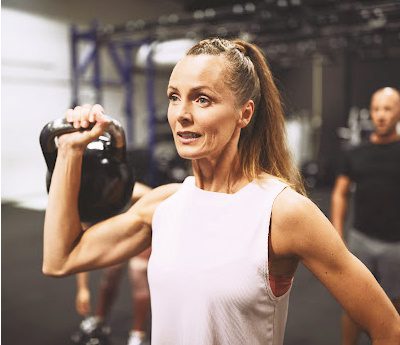
Unchecked cortisol: Those hour-long, 1,000-calorie burning spin classes or other high cardio workouts raise your cortisol levels. Pre-menopause, we had enough “feeling good” progesterone to buffer the spike in cortisol that a high cardio workout will trigger. As progesterone diminishes, though, cortisol goes unchecked. That long, high-cardio workout is no longer your friend because the stress it puts on your heart and lungs makes your body think it is in fight-or-flight mode and needs to protect itself by giving a huge boost in cortisol.
Frequently unchecked cortisol causes anxiety, weight gain in the abdomen, brain fog, low libido and insomnia.
- Women in menopause experience a rapid loss of muscle mass throughout their body in combination with a marked increase in visceral fat in the abdominal area. Together, those two events increase the risk of heart disease, diabetes, dementia and certain cancers. Lifting heavy weights (I’m not talking about those 3 pound pilates dumbbells) provides a multitude of benefits:
- Increases metabolic weight, burning more calories while resting (who doesn’t love that idea?)
- Increase bone density (no one wants to fall and break a hip, at any age!)
- Improves cardiovascular health (who knew “cardio” workouts aren’t the only way to improve your cardiovascular system!)
- Increases the creation of muscle-building stem cells to build and maintain muscle mass, which are otherwise stalled when estrogen disappears from our bodies. BONUS: it will also help you get rid of that “bra fat” that hangs over your bra under your arms and shoulder blade area.
Listen up ladies! It’s time to walk away from those spin bikes and walk toward those weights. 60-minute high intensity cardio classes aren’t your friend anymore. Remember, STRONG IS BEAUTIFUL, and it’s healthy too!
Time to take control of your health. You DO have options. You CAN get to a more optimal state. You DO NOT need to suffer. Educate yourself about your options and schedule that visit with your physician to discuss your treatment plan.
Cheers, lovelies.

Extra Resources:
You guys, I really like Dr. Mary Claire! I mean, I’ve never met her but I really like her content and I love that she’s so passionate about educating women about the treatment options for menopause. Here are some links if you want to follow / contact her (she has an active medical practice):
You can follow Melinda on Instagram, too: Rho Wellness on Insta


